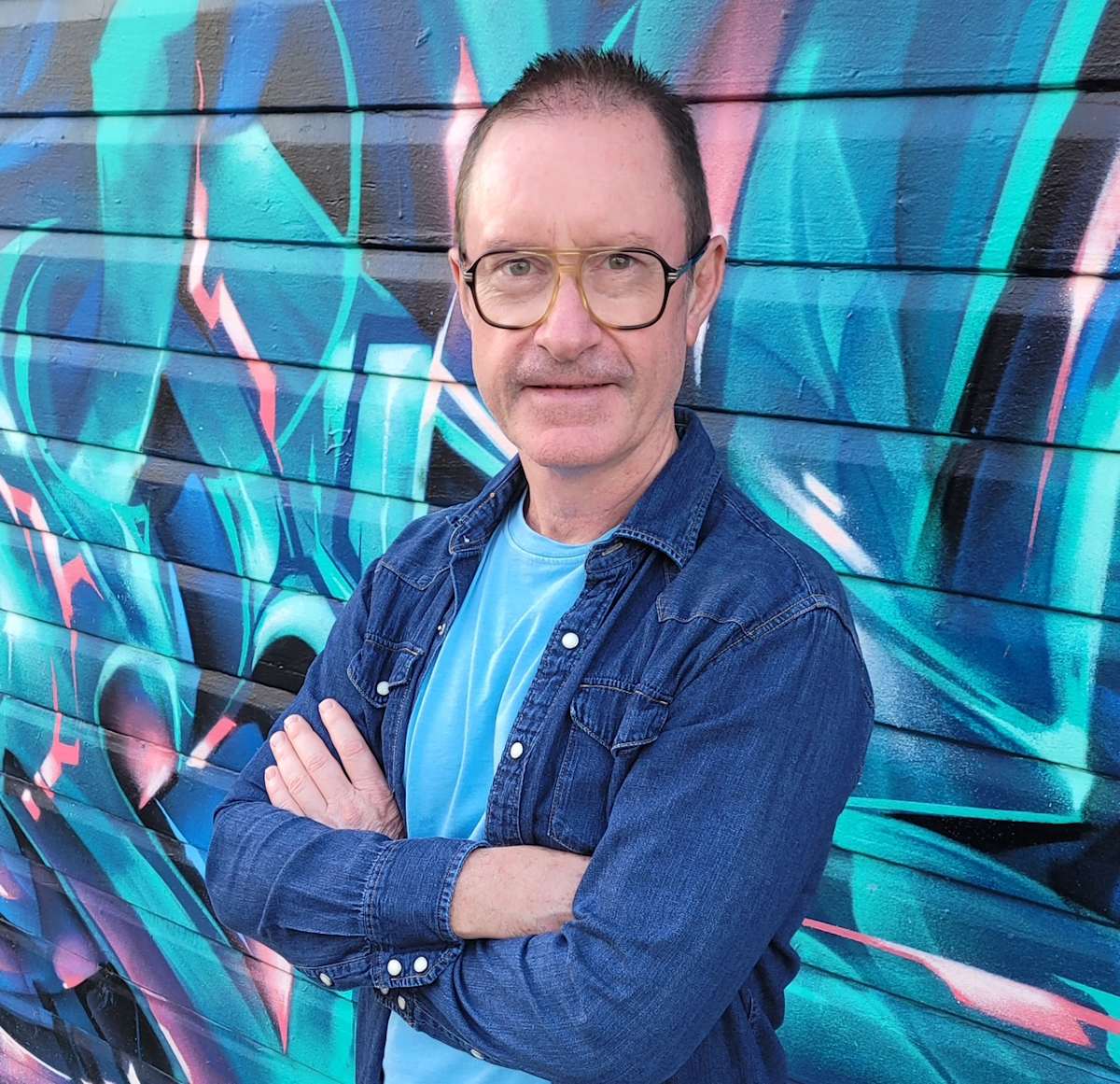
I interviewed Greg Bourke about his recently released novel Under Silkwood. There's also a film here from his first launch in Silkwood.
Where did the inspiration come for Under Silkwood?
Mainly living in Far North Queensland in the 1980s. Silkwood is a real place I often visited. I also leveraged the famous ‘Under Milkwood’ play/ radio play, both the title and the mix of jostling characters in a small claustrophobic village. Under was also part of the positioning re the unresolved issues and interpersonal tension that lie under any town, such as Silkwood, which at times rise to the surface.
What’s your brief sentence to describe the story?
Beware the insider who wants in. Beware the insider who wants out.
What are the difficulties involved in using a ‘real’ setting?
When the real setting is a tiny village there are difficulties, because I didn’t want to cause offence or mis-characterise the people and the place. Tension, drama and conflict are key ingredients to an interesting story, so I needed to manage this with care. This is less of an issue in larger places, such as capital cities. So, I needed to lend from, but not diminish the place, while also being authentic. Also, the cultural aspect of Italian culture and customs needed to be realistic without being cliched. Setting stories in larger cities for example, isn’t as personal or pointed to readers from those places. I strived for a balance; but it was tough and for a while I was considering obscuring the setting, or creating a fictitious location.
Did you ever want to give up writing it? What kept you going?
No. never. Rejections along the journey were disappointing, but the positive response from my editors kept me optimistic. The positive critical response from Carolyn gave me impetuous at a time when I was flagging around re-write #25!
Are you anything like the protagonist Darcy?
Yes and no. I arrived in these small sugar communities as a young, naïve southern graduate teacher in the 1980s. Readers have called out sections, such as the classroom scenes, as direct experience – they’ve said the narrative can only have been written by someone who was there. That’s true. The entanglement with the Sicilian families is mainly fictionalised. It’s a blend – I’m happy to leave some intrigue about what is true, and not.
How do you balance time for writing with your day job?
Usually, an early burst of drafting for 30 mins at dawn, a little at night, but mainly on weekends. The time has depended on inspiration, and when urgency to draft has struck! At times, I have cancelled meetings during the day when on a roll.
Who is your ideal audience for your book?
Lovers of dramatic fiction set in a real place. Most of my readers, so far, have been female. I was also told that if you took my name off the cover, the reader would assume the writer is feminist. I like that praise. But I was also raised by a very strong mother who insisted on gender equity, and with three sisters, I know my place 😊Having gender equity sensibilities has help with interest and acceptance of the storyline.
Have you begun to write another book?
Tinkering but I have had to pause to dedicate effort to assist marketing the book.
Which writers do you admire?
So many! Kate Greville. Dylan Thomas. F Scott Fitzgerald. John Fowles. Donna Tart. Martin Amis. Hannah Kent. Jo Skinner, bringing it back home. I am currently enjoying Phil Brown’s sardonic memoir.